Plumbing Problems In Older Chatsworth Houses
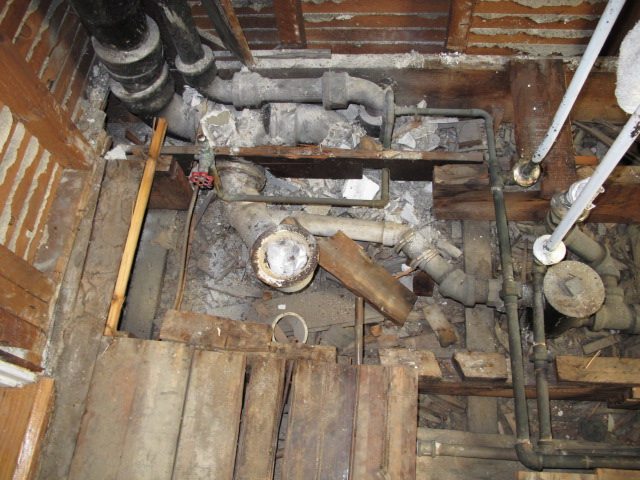
Older homes in Chatsworth offer charm, character, and a sense of history that many homeowners appreciate. However, with age often comes a range of maintenance challenges, particularly when it comes to plumbing systems. Pipes, fixtures, and drainage systems that were installed decades ago may no longer meet modern standards, leading to frequent issues and costly repairs if not addressed properly.
Understanding the common plumbing problems found in older homes can help homeowners take proactive steps to maintain their property. From outdated materials to hidden leaks, these issues can affect both functionality and safety. This article explores the most common plumbing problems in older Chatsworth houses and provides insights into how they can be managed effectively.
Aging and Corroded Pipes
One of the most common issues in older homes is aging and corroded pipes. Many houses built decades ago used materials such as galvanized steel or iron, which are prone to rust and deterioration over time. As these pipes corrode, they can restrict water flow and lead to leaks.
Corrosion not only affects water pressure but can also impact water quality. Rust particles may contaminate the water supply, making it less safe for everyday use. Over time, weakened pipes can develop cracks or burst, causing significant damage.
For those exploring plumbing issues in older homes and pipe systems, addressing aging pipes is essential to maintaining a reliable and safe plumbing system.
Low Water Pressure Problems
Low water pressure is a common complaint among homeowners in older properties. This issue is often caused by mineral buildup, corrosion inside pipes, or outdated plumbing systems that were not designed for modern water usage.
Over time, sediment and scale accumulate within pipes, reducing the space available for water to flow. This results in weak water pressure in faucets and showers, making daily tasks inconvenient.
Upgrading pipes or cleaning existing systems can help restore proper water pressure. Identifying the root cause is important to ensure an effective solution.
Outdated Plumbing Fixtures and Systems
Older homes often feature outdated plumbing fixtures that may no longer function efficiently. These fixtures can include old faucets, toilets, and water heaters that are prone to leaks and inefficiency.
Outdated systems may also consume more water and energy compared to modern alternatives. This not only increases utility costs but also places additional strain on the plumbing system.
Replacing old fixtures with modern, efficient options can improve performance and reduce maintenance issues. It also enhances the overall functionality of the home.
Frequent Leaks and Hidden Water Damage
Leaks are a significant concern in older homes, especially when pipes have deteriorated over time. Some leaks are visible, while others remain hidden behind walls or under floors, causing damage without immediate detection.
Hidden leaks can lead to mold growth, structural damage, and increased repair costs if not addressed promptly. Regular inspections are essential to identify and fix these issues early.
Monitoring water bills and checking for signs of moisture can help detect leaks before they become serious problems.
Drainage and Sewer Line Issues
Drainage systems in older homes may not be equipped to handle modern usage. Over time, pipes can become clogged with debris, grease, and mineral buildup, leading to slow drainage or blockages.
Sewer lines are also vulnerable to damage from tree roots, shifting soil, and aging materials. These issues can result in backups and unpleasant odors, affecting the comfort of the home.
Regular maintenance and professional inspections can help prevent major drainage problems. Addressing these issues early reduces the risk of costly repairs.
Lack of Modern Plumbing Standards
Older homes were built according to the standards of their time, which may not align with current plumbing regulations. This can result in systems that are less efficient and potentially unsafe.
For example, older plumbing may lack proper venting or use materials that are no longer recommended. These factors can contribute to ongoing issues and increased maintenance requirements.
Upgrading plumbing systems to meet modern standards improves safety, efficiency, and reliability. It also adds value to the property.
Water Heater Challenges in Older Homes
Water heaters in older homes may be outdated or improperly maintained, leading to inconsistent performance. Issues such as insufficient hot water, strange noises, or leaks are common.
Older water heaters are often less energy-efficient and may require more frequent repairs. Replacing them with newer models can improve efficiency and reduce energy costs.
Regular maintenance, such as flushing the tank and checking components, helps extend the lifespan of the water heater and ensures reliable operation.
Preventive Maintenance and Upgrades
Preventive maintenance is key to managing plumbing issues in older homes. Regular inspections, timely repairs, and system upgrades can prevent small problems from becoming major concerns.
Homeowners should consider working with professionals to assess the condition of their plumbing systems. This allows for the identification of potential issues and the development of effective solutions.
For those seeking additional guidance, home plumbing maintenance and repair tips provide valuable insights into keeping systems in good condition and avoiding costly repairs.
Conclusion
Plumbing problems in older Chatsworth homes are common due to aging systems, outdated materials, and years of wear and tear. From corroded pipes and low water pressure to leaks and drainage issues, these challenges require careful attention and proactive management. By understanding the common problems and investing in regular maintenance and necessary upgrades, homeowners can preserve the integrity of their property and ensure a reliable plumbing system. Taking these steps not only improves daily comfort but also protects the long-term value of the home.