Fine Dining & Restaurants
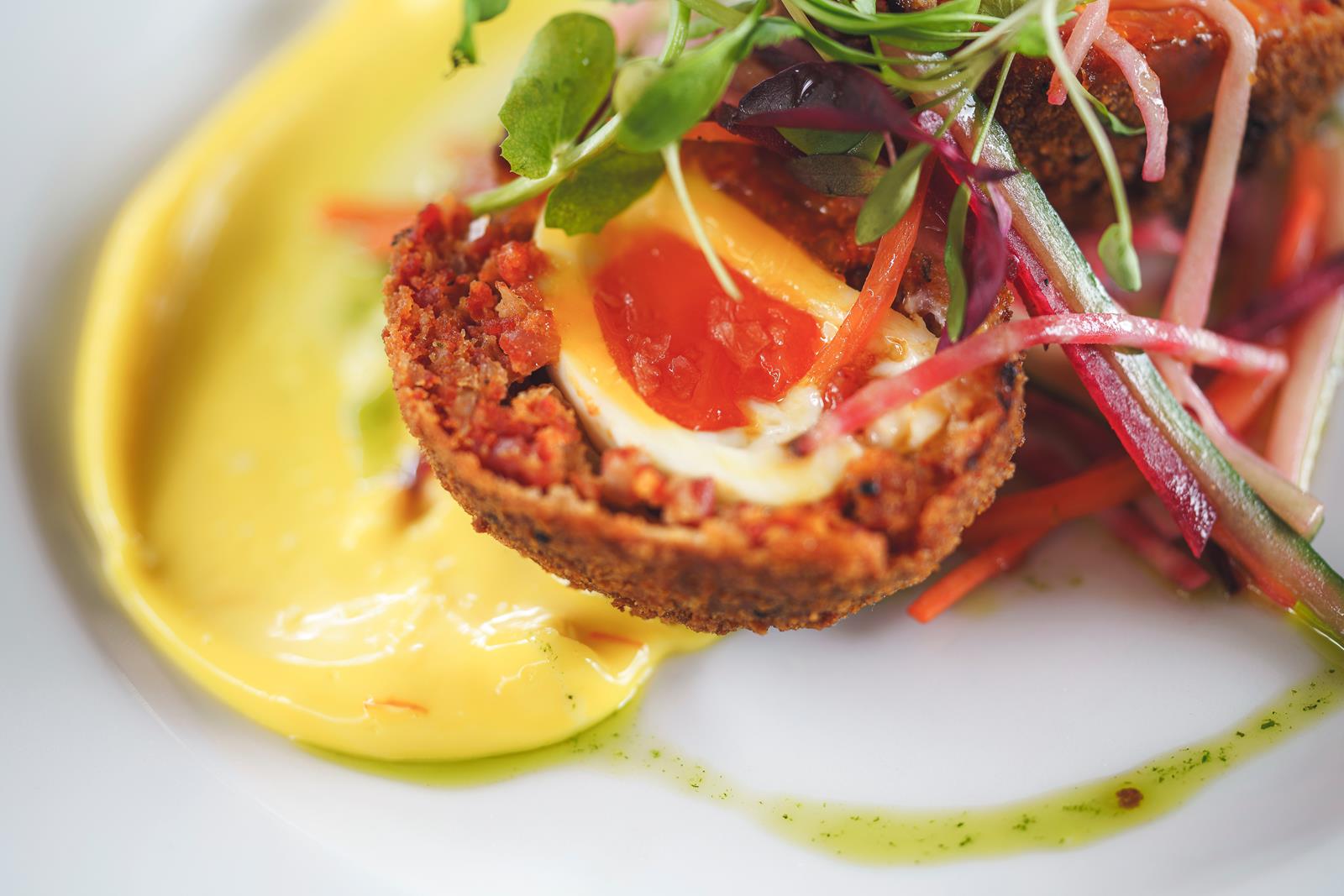
Fine dining restaurants represent the highest level of culinary excellence, combining exceptional food, refined service, and elegant ambiance into a complete and memorable experience. Unlike casual dining, fine dining focuses on precision, creativity, and attention to detail, offering guests more than just a meal—it provides a journey through taste, presentation, and hospitality.
Over the years, fine dining has evolved to reflect modern trends while maintaining its core principles of quality and sophistication. Today’s fine dining establishments blend tradition with innovation, creating unique experiences that cater to a wide range of preferences. This article explores what defines fine dining restaurants, the elements that make them exceptional, and why they continue to be a sought-after experience for food enthusiasts around the world.
What Defines a Fine Dining Restaurant
Fine dining restaurants are distinguished by their commitment to quality and attention to detail. Every aspect of the experience, from the menu to the service, is carefully curated to meet high standards. These establishments often feature expertly crafted dishes made from premium ingredients.
Service in fine dining is highly professional and attentive. Staff members are trained to provide personalized service, ensuring that guests feel comfortable and valued. This level of care enhances the overall experience and sets fine dining apart from other types of restaurants.
For those exploring fine dining restaurants and luxury culinary experiences, understanding these defining characteristics provides insight into what makes these establishments unique and desirable.
The Importance of Culinary Excellence
At the heart of fine dining is culinary excellence. Chefs in these establishments focus on creating dishes that are both visually stunning and rich in flavor. This involves using high-quality ingredients, advanced techniques, and creative presentation.
Menus are often designed to showcase seasonal ingredients and innovative combinations. Each dish is carefully balanced to provide a harmonious blend of flavors and textures. This attention to detail ensures that every course contributes to a memorable dining experience.
Culinary excellence also involves continuous innovation. Chefs experiment with new ideas and techniques to keep the dining experience fresh and exciting, reflecting the evolving nature of fine dining.
Elegant Atmosphere and Design
The ambiance of a fine dining restaurant plays a significant role in shaping the overall experience. Elegant interior design, sophisticated decor, and carefully selected lighting create a refined and welcoming environment.
Attention to detail extends to table settings, including fine linens, quality tableware, and thoughtful arrangements. These elements contribute to the sense of luxury and enhance the dining experience.
The atmosphere is designed to engage all the senses, creating a cohesive and immersive environment. This focus on ambiance ensures that guests enjoy not only the food but also the setting in which it is served.
Exceptional Service and Hospitality
Service is a cornerstone of fine dining. Staff members are trained to anticipate the needs of guests and provide attentive, courteous service. This includes everything from greeting guests to explaining menu items and recommending pairings.
Professionalism and knowledge are key components of excellent service. Staff members are well-versed in the menu and can provide detailed information about ingredients and preparation methods.
This level of hospitality creates a comfortable and enjoyable experience for guests. It ensures that every aspect of the visit is handled with care and precision, reinforcing the restaurant’s commitment to excellence.
Menu Design and Beverage Pairings
Fine dining menus are thoughtfully curated to provide a balanced and cohesive experience. Chefs design menus that highlight the best ingredients and showcase their culinary expertise. Each course is intended to complement the others, creating a seamless progression.
Beverage pairings, particularly wine, play an important role in enhancing the dining experience. Expert recommendations help bring out the flavors of each dish, adding depth and complexity to the meal.
Menu design reflects both creativity and precision. It ensures that guests enjoy a well-rounded experience that highlights the artistry of fine dining.
Innovation and Modern Trends in Fine Dining
Modern fine dining continues to evolve, incorporating new trends and technologies. Chefs experiment with innovative techniques, such as molecular gastronomy, to create unique textures and flavors.
Sustainability has also become an important focus. Many restaurants prioritize locally sourced ingredients and environmentally friendly practices, reflecting a commitment to responsible dining.
Technology and social media have further influenced fine dining, allowing restaurants to showcase their creations and reach a global audience. These trends contribute to the ongoing evolution of the industry.
The Experience Beyond the Plate
Fine dining is about more than just food—it is about creating a complete experience that engages all the senses. From the moment guests enter the restaurant to the final course, every detail is designed to leave a lasting impression.
Personalized touches, such as accommodating special requests or celebrating occasions, enhance the overall experience. These elements create emotional connections and make each visit unique.
For those seeking a deeper understanding, a complete fine dining restaurant guide for luxury culinary experiences can provide valuable insights into what makes these establishments truly exceptional.
Why Fine Dining Continues to Thrive
Despite changes in the dining industry, fine dining remains popular due to its emphasis on quality and experience. Guests are drawn to the opportunity to enjoy expertly crafted meals in a sophisticated setting.
The combination of culinary artistry, exceptional service, and elegant ambiance creates a unique value that cannot be easily replicated. This ensures that fine dining continues to hold a special place in the culinary world.
As trends evolve, fine dining adapts while maintaining its core principles. This balance of tradition and innovation contributes to its enduring appeal.
Conclusion
Fine dining restaurants represent the pinnacle of culinary and hospitality excellence, offering experiences that go beyond ordinary dining. Through a combination of exceptional food, elegant ambiance, and attentive service, these establishments create memorable moments that engage all the senses. The continuous evolution of fine dining, driven by innovation and changing consumer preferences, ensures that it remains relevant and appealing. By understanding the elements that define fine dining, it becomes clear why these restaurants continue to be celebrated as symbols of luxury and sophistication. Ultimately, fine dining is not just about eating—it is about experiencing the art of cuisine in its most refined form.