Best Commodity Trading Platforms
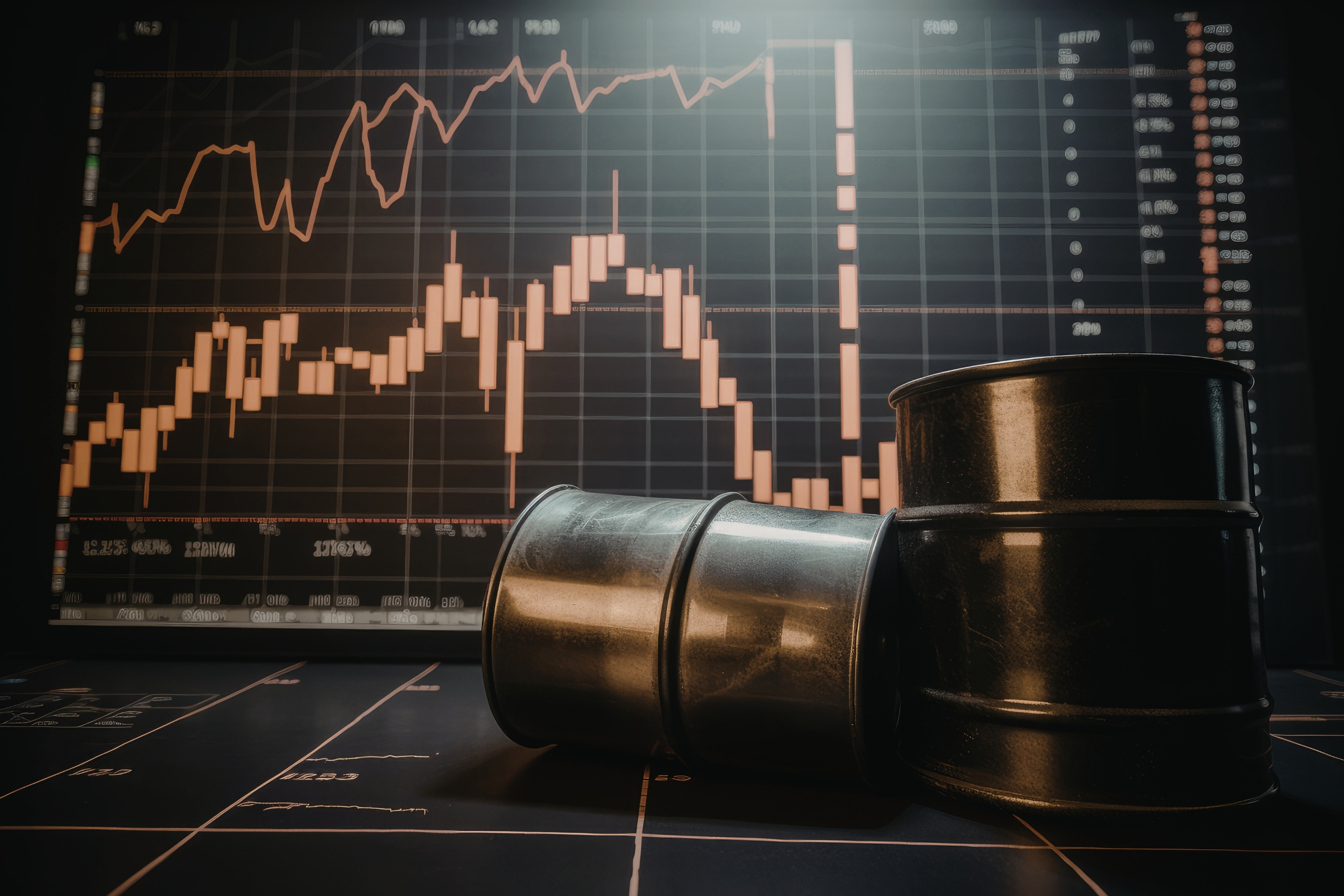
Commodity trading has become increasingly accessible thanks to modern online platforms that allow individuals to trade assets such as gold, oil, agricultural products, and more. Whether you are a beginner exploring the market or an experienced trader seeking advanced tools, choosing the right trading platform is essential for success.
A reliable platform provides access to markets, real-time data, analytical tools, and secure transactions. With many options available, understanding the features and benefits of different platforms can help traders make informed decisions. This article explores the best commodity trading platforms and the key factors to consider when selecting one.
What Is a Commodity Trading Platform
A commodity trading platform is an online system that allows users to buy and sell commodities through financial markets. These platforms provide access to various assets, including metals, energy products, and agricultural goods.
They also offer tools for market analysis, price tracking, and trade execution. Some platforms cater to beginners with simple interfaces, while others provide advanced features for professional traders.
For those exploring commodity trading platforms for beginners, understanding how these platforms work is the first step toward successful trading.
Key Features to Look for in a Trading Platform
Choosing the right platform involves evaluating several important features. These include ease of use, available markets, trading tools, and customer support.
A user-friendly interface is essential for beginners, while advanced charting tools and analytics are important for experienced traders. Security features, such as encryption and account protection, are also critical.
Reliable customer support ensures that users can resolve issues quickly and maintain smooth trading operations.
User-Friendly Platforms for Beginners
Beginners should look for platforms that offer simple navigation, educational resources, and demo accounts. These features help new traders learn the basics without risking real money.
Platforms with guided tutorials and easy-to-understand dashboards make it easier to get started. Demo accounts allow users to practice trading strategies in a risk-free environment.
Choosing a beginner-friendly platform builds confidence and provides a solid foundation for future trading activities.
Advanced Platforms for Experienced Traders
Experienced traders often require more sophisticated tools and features. These include advanced charting, technical indicators, and customizable trading strategies.
Platforms designed for professionals offer faster execution speeds and access to a wider range of markets. They also provide tools for managing risk and optimizing performance.
Selecting a platform that matches skill level ensures that traders can maximize their potential and achieve better results.
Security and Regulation Considerations
Security is a top priority when choosing a trading platform. Traders should ensure that the platform is regulated by a recognized authority and follows industry standards.
Secure platforms use encryption and other protective measures to safeguard user data and funds. Regulation adds an extra layer of trust and accountability.
Verifying these factors helps reduce risks and ensures a safer trading experience.
Fees, Spreads, and Trading Costs
Understanding the cost structure of a trading platform is essential. Fees may include commissions, spreads, and withdrawal charges.
Comparing costs across platforms helps traders find options that align with their budget and trading style. Lower fees can improve overall profitability, especially for frequent traders.
Transparency in pricing is important, as hidden fees can affect returns and create unexpected expenses.
Access to Market Data and Tools
Accurate and real-time market data is crucial for making informed trading decisions. Good platforms provide up-to-date information, charts, and analysis tools.
Technical indicators, news updates, and research resources help traders understand market trends and identify opportunities. Access to reliable data enhances decision-making and reduces uncertainty.
Having the right tools supports better strategies and improves trading outcomes.
Mobile Trading and Flexibility
Modern trading platforms often offer mobile applications, allowing users to trade on the go. This flexibility is important for staying connected to the market at all times.
Mobile platforms provide features similar to desktop versions, including real-time updates and trade execution. This ensures that traders can respond quickly to market changes.
Convenience and accessibility are key advantages of mobile trading solutions.
Choosing the Right Platform for Your Needs
Selecting the best platform depends on individual goals, experience level, and trading preferences. Beginners may prioritize ease of use, while experienced traders may focus on advanced features.
Researching options, reading reviews, and testing demo accounts can help identify the most suitable platform. It is important to choose a platform that aligns with personal trading strategies.
For those seeking more insights, commodity trading strategies and tools can provide valuable guidance on improving trading performance.
Conclusion
Choosing the best commodity trading platform is a crucial step for anyone interested in trading commodities. By considering factors such as usability, security, fees, and available tools, traders can find platforms that meet their needs and support their goals. Whether starting as a beginner or advancing as an experienced trader, the right platform provides the foundation for successful trading. With careful selection and continuous learning, traders can navigate the market confidently and make informed decisions that contribute to long-term success.