How To Prepare Your Dog For Long Travel: Prevent Stress, Nausea, And Motion Sickness
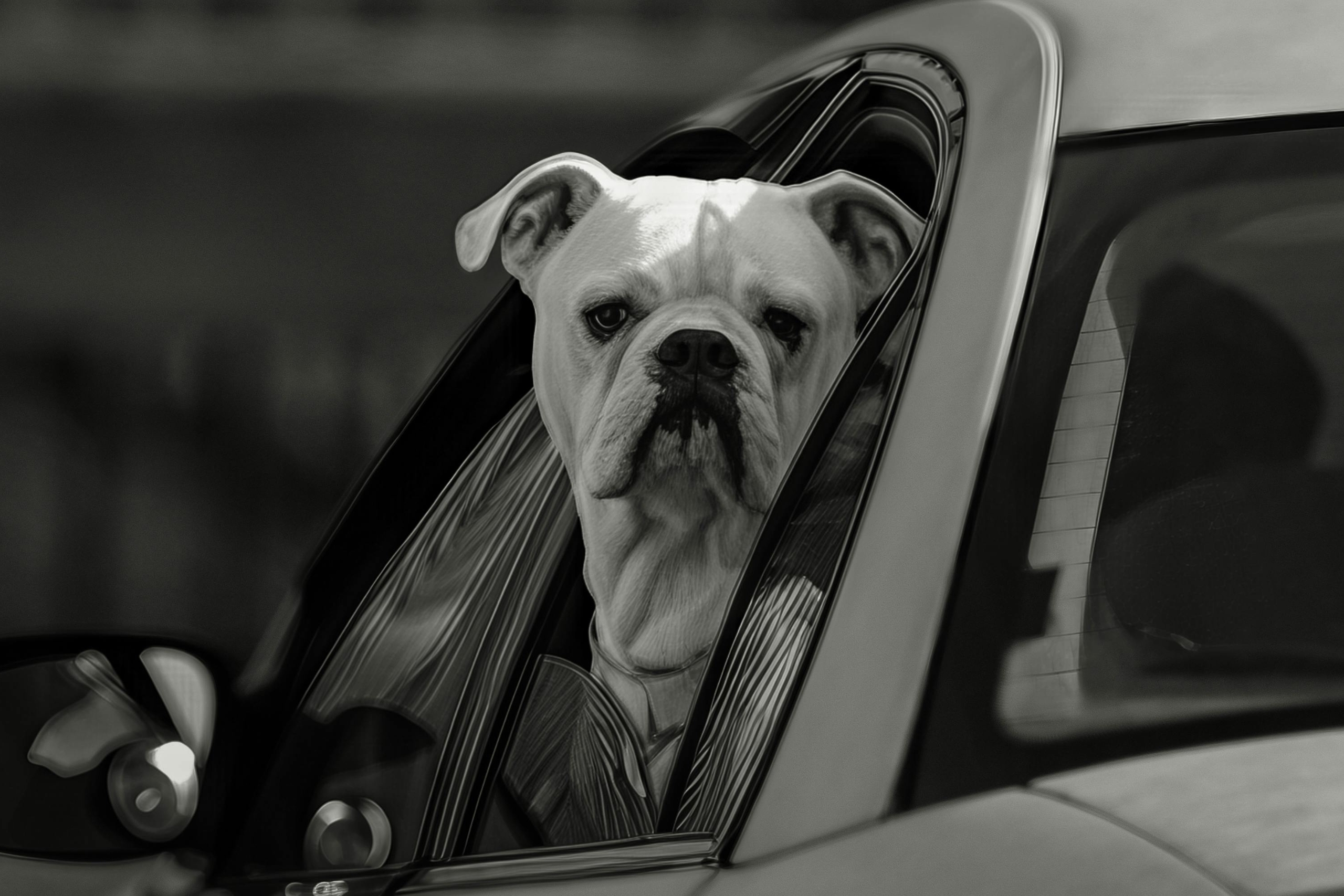
Traveling with your dog can be a rewarding experience, but long journeys often come with challenges such as stress, nausea, and discomfort. Dogs, like humans, can experience motion sickness and anxiety when placed in unfamiliar environments or confined spaces for extended periods. Proper preparation is essential to ensure a safe and comfortable trip for both you and your pet.
By understanding your dog’s needs and taking preventive measures, you can minimize travel-related issues and create a more enjoyable experience. This article provides practical tips on how to prepare your dog for long travel while reducing stress and preventing nausea and vomiting.
Understanding Travel Stress in Dogs
Dogs may feel stressed during travel due to changes in environment, unfamiliar sounds, and restricted movement. Signs of stress can include excessive panting, whining, restlessness, or refusal to eat.
Recognizing these signs early allows you to take steps to calm your dog and make them feel more secure. Each dog reacts differently, so understanding your pet’s behavior is important.
For those exploring dog travel preparation and motion sickness tips, recognizing stress triggers is the first step toward a smoother journey.
Preparing Your Dog Before the Trip
Preparation should begin well before the travel date. Gradually introducing your dog to car rides or travel environments can help them become more comfortable.
Short practice trips allow your dog to adjust and reduce anxiety over time. Ensuring your dog is familiar with the travel routine helps build confidence.
A well-prepared dog is less likely to experience stress during long journeys.
Managing Motion Sickness and Nausea
Motion sickness is common in dogs, especially during long trips. Symptoms may include drooling, vomiting, or lethargy.
Feeding your dog a light meal several hours before travel can help reduce nausea. Avoid feeding immediately before the trip, as a full stomach may increase discomfort.
Keeping the travel environment well-ventilated and maintaining a steady driving pace can also help minimize motion sickness.
Creating a Comfortable Travel Space
Providing a comfortable and secure space for your dog is essential. Using a travel crate or seat harness ensures safety and stability during the journey.
Adding familiar items such as blankets or toys can help your dog feel more at ease. Familiar scents provide comfort and reduce anxiety.
A well-organized travel space contributes to a calmer and more relaxed experience.
Keeping Your Dog Hydrated
Hydration is important during long trips, especially in warm conditions. Ensure that your dog has access to fresh water throughout the journey.
Offering small amounts of water at regular intervals helps prevent dehydration without causing discomfort. Portable water bowls can make this process easier.
Maintaining proper hydration supports your dog’s overall well-being during travel.
Taking Regular Breaks
Frequent breaks are essential for allowing your dog to stretch, relieve themselves, and relax. Stopping every few hours helps reduce restlessness and discomfort.
Breaks also provide an opportunity for light exercise, which can help release built-up energy and reduce stress.
Planning your route with designated stops ensures a smoother and more manageable journey.
Calming Techniques for Anxious Dogs
Some dogs may experience anxiety during travel. Calming techniques such as gentle reassurance, soothing music, or natural calming products can help.
Maintaining a calm demeanor yourself can also influence your dog’s behavior. Dogs often respond to their owner’s emotions, so staying relaxed is important.
Using calming methods helps create a more peaceful travel environment.
Packing Essentials for Your Dog
Bringing the right supplies ensures that your dog’s needs are met throughout the trip. Essentials include food, water, bowls, waste bags, and any necessary medications.
Having familiar items such as toys or bedding can provide comfort and reduce anxiety. Being prepared helps avoid unexpected challenges during travel.
Organizing these items in advance makes the journey more convenient.
Monitoring Your Dog During Travel
Keeping an eye on your dog during the trip is important for identifying any signs of discomfort or illness. Regularly checking their behavior helps ensure their safety.
If your dog shows signs of severe distress or persistent vomiting, it may be necessary to stop and provide care. Being attentive allows for quick action when needed.
Monitoring ensures that your dog remains comfortable and healthy throughout the journey.
When to Consult a Veterinarian
If your dog frequently experiences motion sickness or severe anxiety, consulting a veterinarian before travel is recommended. They can provide advice or prescribe medications if necessary.
Professional guidance ensures that your dog receives appropriate care and support. This is especially important for long or frequent trips.
For those seeking additional guidance, pet travel safety and care tips can provide valuable insights into ensuring a smooth and safe journey.
Conclusion
Preparing your dog for long travel requires careful planning and attention to their physical and emotional needs. By understanding potential challenges such as stress and motion sickness, and taking proactive steps to address them, you can create a comfortable and enjoyable experience for your pet. From proper preparation and hydration to regular breaks and calming techniques, each step contributes to a smoother journey. With the right approach, traveling with your dog can become a positive and memorable experience for both of you.